Description
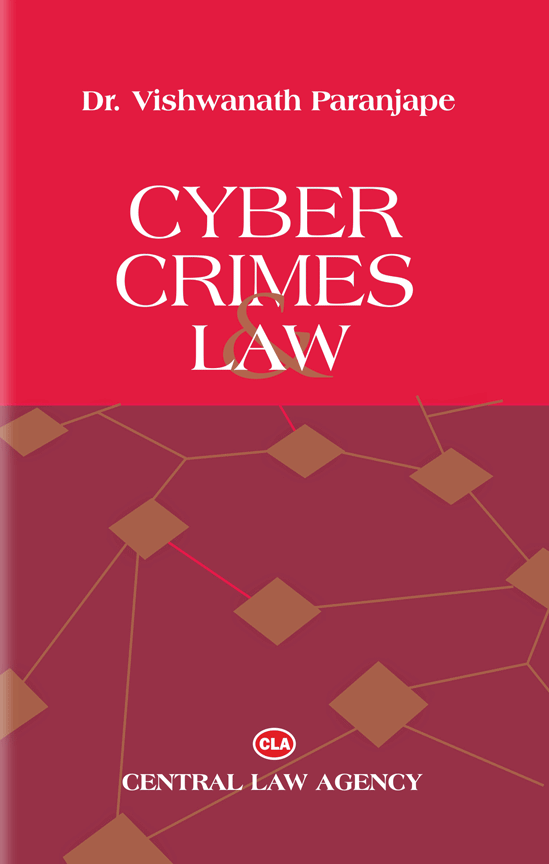
Cyber Crimes and Law provides a comprehensive study of the legal and regulatory framework governing cyber offences in India and across the globe. The book examines both the theoretical foundations and practical challenges of combating crimes in cyberspace, making it a valuable resource for students, academicians, legal practitioners, and competitive exam aspirants.
The opening chapters introduce the concept and scope of cybercrime, tracing the advent of information technology, the evolution of cyberspace, and the rise of cyber offences as a distinct category of crime. It explains the characteristics of cybercrime, reasons behind its growth, and the differences between cyber contraventions and cybercrimes. The text further categorizes offences such as cyberstalking, identity theft, online defamation, hacking, email frauds, virus attacks, cyber pornography, money laundering, and intellectual property infringements.
The book provides detailed analysis of the modes and techniques of cybercrime, including unauthorized access, spyware, cookies, sniffers, web bugs, and other digital tools exploited by offenders. Special focus is given to IPR violations in cyberspace, covering copyright infringement, software piracy, cybersquatting, trademark disputes, and protection of domain names, with reference to both Indian and international frameworks.
Judicial responses form a central part of the discussion, highlighting landmark cases in India and abroad that shaped cyber law. Issues such as admissibility of electronic evidence, jurisdiction in cyberspace, cyber pornography, phishing, and privacy violations are explained with judicial interpretations. The growing role of cyber forensics and e-initiatives of the judiciary are also emphasized.
The text expands to an international perspective, outlining cooperative efforts through global conferences, the Budapest Convention on Cybercrime, regional initiatives, and the role of agencies like Interpol, WTO, WIPO, and ICANN. Comparative references to U.S. and European cyber laws illustrate global approaches to digital governance.
In the Indian context, the book examines the Information Technology Act, 2000 and its amendments, particularly provisions dealing with offences, penalties, jurisdiction, and the role of the Cyber Appellate Tribunal. Preventive measures such as e-governance, data protection, electronic surveillance, and ISP liability are also discussed.
Written in a clear and practical style, the book combines statutory analysis, case law, and global perspectives. By addressing both traditional and emerging challenges—including cyber terrorism, digital privacy, and data security—it serves as an indispensable resource for academic study, exam preparation, and professional practice in the field of cyber law.
\\\"साइबर क्राइम्स एंड लॉ\\\' (Cyber Crimes and Law) भारत और विश्व भर में साइबर अपराधों को नियंत्रित करने वाले कानूनी और नियामक ढांचे का एक व्यापक अध्ययन प्रदान करती है। यह पुस्तक साइबर स्पेस में अपराधों से निपटने के सैद्धांतिक आधारों और व्यावहारिक चुनौतियों दोनों का परीक्षण करती है, जो इसे छात्रों, शिक्षाविदों, कानूनी पेशेवरों और प्रतियोगी परीक्षा के उम्मीदवारों के लिए एक मूल्यवान संसाधन बनाती है।
प्रमुख विषय और विश्लेषण:
अवधारणा और वर्गीकरण: प्रारंभिक अध्याय साइबर अपराध की अवधारणा और कार्यक्षेत्र का परिचय देते हैं, जिसमें सूचना प्रौद्योगिकी के आगमन, साइबर स्पेस के विकास और अपराध की एक अलग श्रेणी के रूप में साइबर अपराधों के उदय को रेखांकित किया गया है। यह साइबर उल्लंघन (cyber contraventions) और साइबर अपराधों के बीच के अंतर को स्पष्ट करती है। पुस्तक साइबर स्टॉकिंग, पहचान की चोरी (identity theft), ऑनलाइन मानहानि, हैकिंग, ईमेल धोखाधड़ी, वायरस हमले, साइबर पोर्नोग्राफी, मनी लॉन्ड्रिंग और बौद्धिक संपदा उल्लंघन जैसे अपराधों को वर्गीकृत करती है।
तकनीकी मोड और आईपीआर उल्लंघन: पुस्तक साइबर अपराध के तरीकों और तकनीकों का विस्तृत विश्लेषण प्रदान करती है, जिसमें अनधिकृत पहुंच (unauthorized access), स्पायवेयर, कुकीज़, स्निफर्स, वेब बग्स और अपराधियों द्वारा उपयोग किए जाने वाले अन्य डिजिटल उपकरण शामिल हैं। साइबर स्पेस में बौद्धिक संपदा अधिकार (IPR) के उल्लंघनों पर विशेष ध्यान दिया गया है, जिसमें कॉपीराइट उल्लंघन, सॉफ्टवेयर पायरेसी, साइबरस्क्वैटिंग, ट्रेडमार्क विवाद और डोमेन नामों की सुरक्षा को भारतीय और अंतर्राष्ट्रीय ढांचे के संदर्भ में कवर किया गया है।
न्यायिक प्रतिक्रिया और इलेक्ट्रॉनिक साक्ष्य: चर्चा का एक मुख्य हिस्सा न्यायिक प्रतिक्रियाएं हैं, जो भारत और विदेशों के उन ऐतिहासिक मामलों पर प्रकाश डालती हैं जिन्होंने साइबर कानून को आकार दिया। इलेक्ट्रॉनिक साक्ष्य की स्वीकार्यता (admissibility of electronic evidence), साइबर स्पेस में क्षेत्राधिकार, फ़िशिंग और गोपनीयता के उल्लंघन जैसे मुद्दों को न्यायिक व्याख्याओं के साथ समझाया गया है। इसमें साइबर फॉरेंसिक की बढ़ती भूमिका और न्यायपालिका की ई-पहलों पर भी जोर दिया गया है।
अंतर्राष्ट्रीय परिप्रेक्ष्य: यह पाठ अंतर्राष्ट्रीय दृष्टिकोण तक विस्तारित है, जिसमें वैश्विक सम्मेलनों, साइबर अपराध पर बुडापेस्ट कन्वेंशन, क्षेत्रीय पहलों और इंटरपोल (Interpol), WTO, WIPO और ICANN जैसी एजेंसियों की भूमिका के माध्यम से सहकारी प्रयासों को रेखांकित किया गया है। अमेरिका और यूरोपीय साइबर कानूनों के तुलनात्मक संदर्भ डिजिटल शासन के वैश्विक दृष्टिकोण को स्पष्ट करते हैं।
भारतीय कानूनी ढांचा: भारतीय संदर्भ में, यह पुस्तक सूचना प्रौद्योगिकी अधिनियम, 2000 और इसके संशोधनों का परीक्षण करती है, विशेष रूप से अपराधों, दंड, क्षेत्राधिकार और साइबर अपीलीय न्यायाधिकरण की भूमिका से संबंधित प्रावधानों का। ई-गवर्नेंस, डेटा सुरक्षा, इलेक्ट्रॉनिक निगरानी और इंटरनेट सेवा प्रदाता (ISP) की देयता जैसे निवारक उपायों पर भी चर्चा की गई है।
निष्कर्ष:
एक स्पष्ट और व्यावहारिक शैली में लिखी गई यह पुस्तक वैधानिक विश्लेषण, निर्णयज विधि (case law) और वैश्विक दृष्टिकोण को जोड़ती है। साइबर आतंकवाद, डिजिटल गोपनीयता और डेटा सुरक्षा जैसी उभरती चुनौतियों को संबोधित करते हुए, यह साइबर कानून के क्षेत्र में शैक्षणिक अध्ययन और पेशेवर अभ्यास के लिए एक अनिवार्य संसाधन के रूप में कार्य करती है।\\\"



Reviews
There are no reviews yet.